Syafakallah syifaan ajilan artinya memohon kesembuhan yang cepat dari Allah SWT. Doa ini biasanya diucapkan kepada orang yang sedang sakit atau dalam kondisi yang membutuhkan penyembuhan.
Mengucapkan doa syafakallah syifaan ajilan memiliki banyak manfaat, di antaranya:
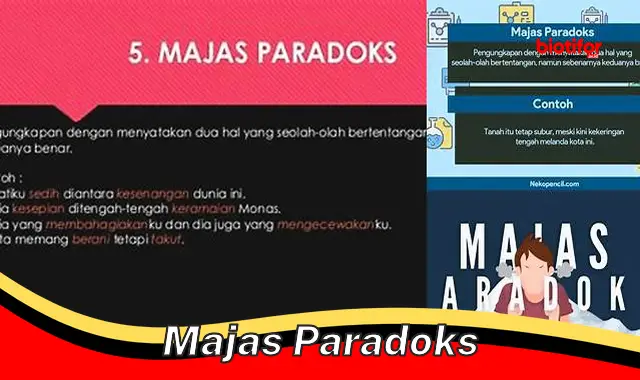
Majas paradoks adalah gaya bahasa yang menampilkan kontradiksi atau pertentangan yang sebenarnya tidak dimaksudkan untuk mengungkapkan pertentangan yang sebenarnya. Gaya bahasa ini digunakan untuk memberikan penekanan atau efek yang lebih dramatis. Contoh majas paradoks adalah “Aku mati karena hidup.” Kalimat ini sebenarnya tidak berarti bahwa seseorang meninggal karena hidup, tetapi lebih menekankan pada pengorbanan atau penderitaan yang dialami seseorang karena mempertahankan hidupnya.
Majas paradoks memiliki manfaat untuk membuat suatu tulisan atau ujaran menjadi lebih hidup, menarik, dan mudah diingat. Gaya bahasa ini juga dapat digunakan untuk mengungkapkan perasaan yang kompleks atau mendalam dengan cara yang tidak biasa. Dalam sejarah sastra, majas paradoks telah banyak digunakan oleh para penulis dan penyair untuk menciptakan efek yang dramatis dan menggugah pikiran.
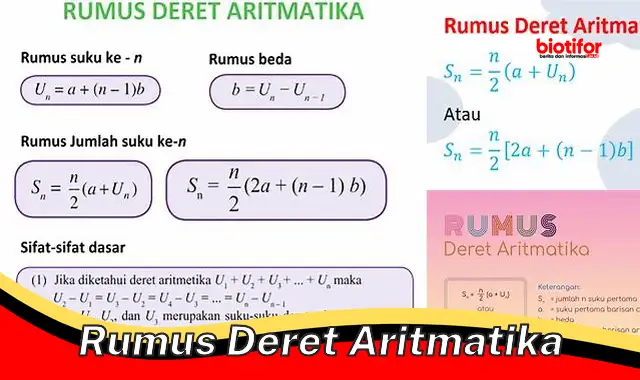
Rumus deret aritmatika adalah suatu rumus yang digunakan untuk mencari nilai suku pada suatu deret aritmatika. Deret aritmatika adalah barisan bilangan yang memiliki selisih yang sama antar suku-sukunya. Rumus deret aritmatika dapat digunakan untuk mencari suku ke-n, jumlah n suku pertama, dan suku pertama.
Rumus deret aritmatika sangat penting dalam matematika karena dapat digunakan untuk menyelesaikan berbagai permasalahan, seperti mencari jumlah suku-suku suatu deret, mencari nilai suku ke-n, atau mencari suku pertama suatu deret. Rumus deret aritmatika juga memiliki sejarah yang panjang dan telah digunakan oleh para matematikawan selama berabad-abad.
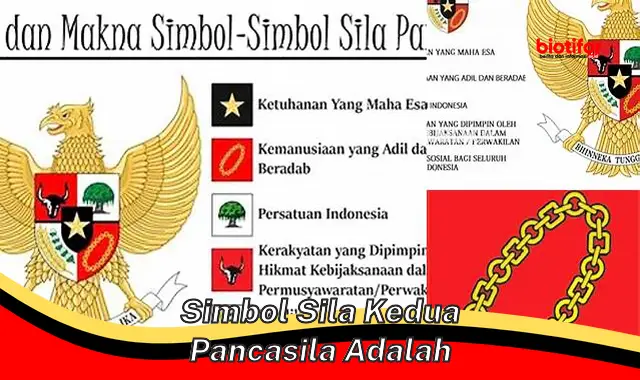
Simbol sila kedua Pancasila adalah rantai yang terdiri dari gelang-gelang yang saling berkaitan. Rantai ini melambangkan persatuan dan kesatuan bangsa Indonesia. Gelang-gelang yang saling berkaitan menunjukkan bahwa setiap warga negara Indonesia memiliki kedudukan yang sama dan harus bersatu untuk mencapai tujuan bersama.
Persatuan dan kesatuan bangsa Indonesia sangat penting untuk menjaga keutuhan negara. Dengan bersatu, bangsa Indonesia dapat menghadapi berbagai tantangan dan ancaman yang datang dari dalam maupun luar negeri. Selain itu, persatuan dan kesatuan juga dapat mempercepat pembangunan nasional dan meningkatkan kesejahteraan rakyat.
Demosi adalah penurunan pangkat atau jabatan seseorang dalam suatu organisasi atau perusahaan. Hal ini biasanya dilakukan karena kinerja yang buruk, pelanggaran disiplin, atau alasan lainnya. Demosi dapat berdampak negatif pada karier dan penghasilan seseorang.
Demosi dapat menjadi alat yang efektif untuk mendisiplinkan karyawan dan memotivasi mereka untuk meningkatkan kinerja. Namun, hal ini juga dapat menimbulkan konsekuensi negatif, seperti hilangnya motivasi, kebencian, dan penurunan produktivitas. Oleh karena itu, demosi harus dilakukan dengan hati-hati dan hanya jika tidak ada pilihan lain.